Aspicilia calcarea
A crustose lichen
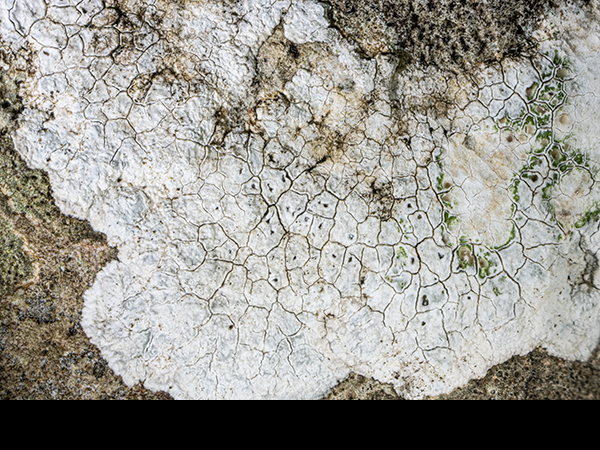
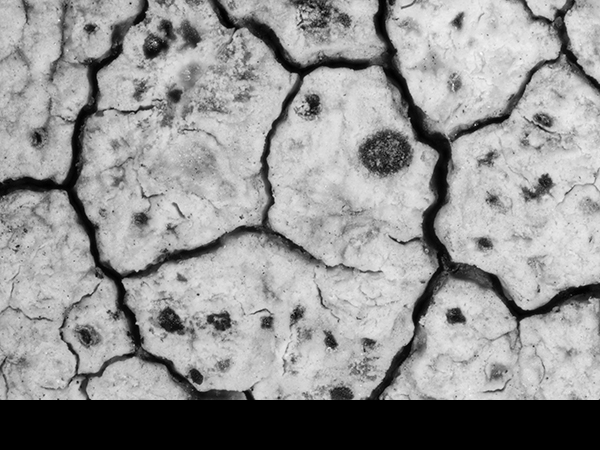
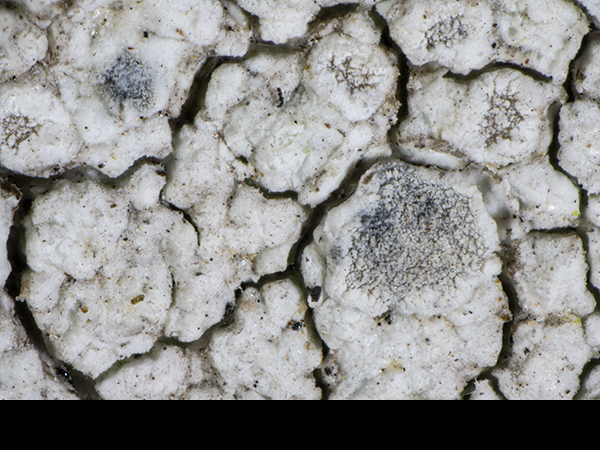
Aspicilia calcarea, is a crust forming (crustose) lichen found locally on both limestone and sandstone. From a distance it looks like a bright white paint mark, but closer viewing reveals cracks in the thallus and dark fruiting bodies called apothecia. As it penetrates the rock it cannot be easily removed. Aspicilia calcarea is one of the most common lichens in the Redmire area and prfers an open, sunny position.
Photograph detail
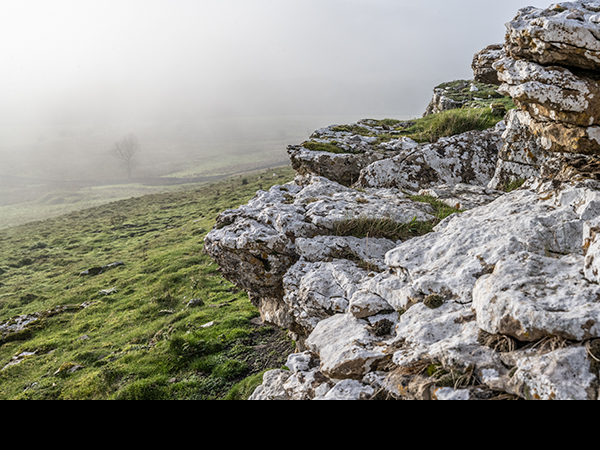
Slide 1: Aspicilia calcarea, coating much of Redmire Scar limestone. November.
Slide 2: Aspicilia calcarea, thallus edge and centre, showing cracks and apothecia. Growing on limestone, drystone wall, south facing. January.
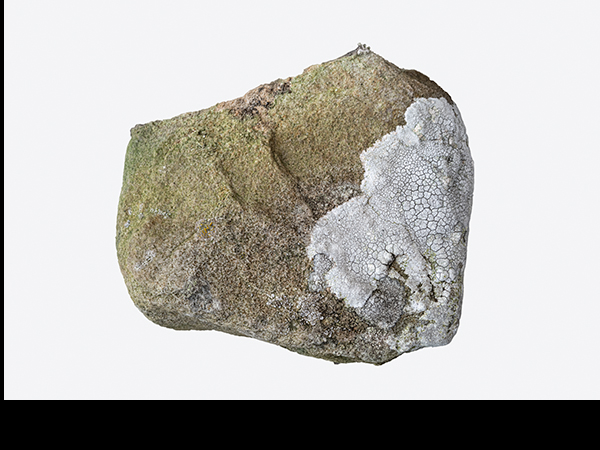
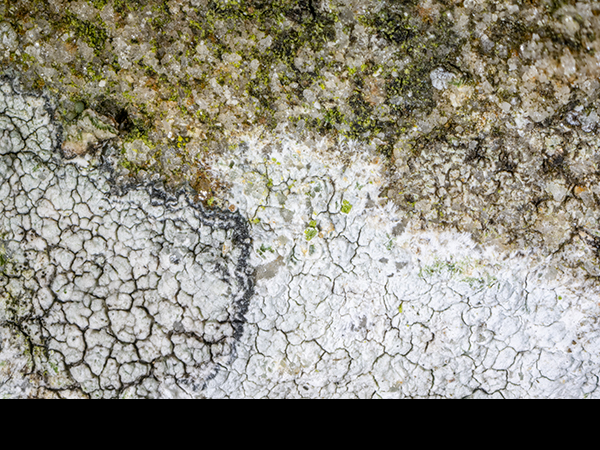
Slide 3: Aspicilia calcarea (right) with Verrucaria fuscella (left) on sandstone. Drystone wall, Middle Road, Redmire. December.
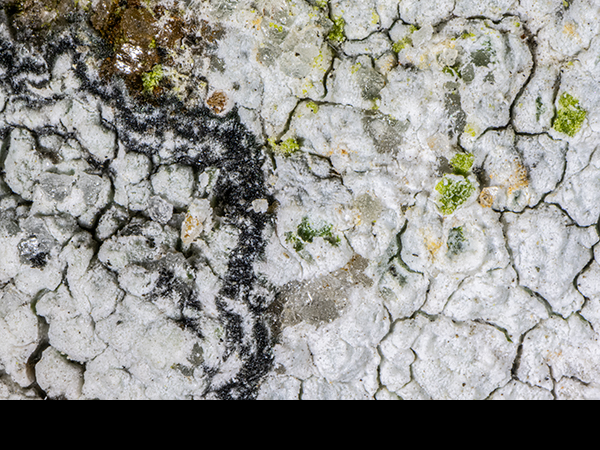
Slide 4: Aspicilia calcarea (right) with Verrucaria fuscella, showing black prothallus of Verrucaria separating the two. Green patches are groups of algal cells associated with the Aspicilia. Sandstone (slide 3). December.
Slide 5: Aspicilia calcarea thallus detail with apothecia. Sandstone. December.
Slide 6: Aspicilia calcarea thallus detail with apothecia. Sandstone. December.
Slide 7: Aspicilia calcarea (right) with Verrucaria fuscella, showing black prothallus of Verrucaria separating the two. Green patches are groups of algal cells associated with the Aspicilia. Sandstone (slide 3). December.